
Learn Gut Sense

WHAT IS FORENSIC NUTRITION?

by Konstantin Monastyrsky

Forensic nutrition investigates connections between food and diseases, while traditional, orthodox nutrition investigates and promotes connections between food and health.

In practical terms these differences mean the following:

Traditional nutrition seeks out food to improve health using a simplistic approach: If one apple is good for you, then more apples are better. If water is good for you, then more water is better. If fat is bad for you, then no fat is better.

This kind of seemingly logical and, without a doubt, well-intentioned deductive reasoning gave birth to what I call nutritional engineering. It is particularly prominent and dominant in the United States because anyone with a big mouth, good looks, a top agent, and a bit of luck can get a fat publishing contract and sell a ton of diet books. (Not that I lack anything above, but my penchant for picking up controversial subjects and a proclivity for perfectionism makes it ten times as difficult as being a copycat or sycophant.)

In practice, nutritional engineering boils down to doling out foods in the ratios that fit personal bias, specialty, and business objectives of each particular ‘nutritionist’ or 'dietitian.'  Thus, USDA promotes the MyPyramid diet, Dr. Ornish promotes a low-fat diet, Dr. Atkins' estate promotes a low-carb diet, Dr. Amato promotes a blood type diet, Dr. Jenkins promotes a low glycemic index diet, Brenda Watson promotes the Fiber35 diet, Shelley Case promotes a gluten-free diet, Suzanne Sommers promotes... Suzanne Sommers, and, not to miss the party, Kim Barnouin promotes the Skinny Bitch diet (no, this isn't a joke), and so on.
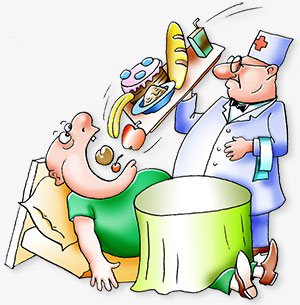
It sounds absurd, and it is—considering that we all start life with identical stomachs, pancreases, livers, kidneys, and intestines, and that the genetic differences between you, me, and all of these ‘foodies’ are less than 0.1%. With this background in mind, our optimal diets can't be that dog-eat-dog opposite, antagonistic, and irreconcilable, can they?

On the other hand, forensic nutrition doesn't engineer diets or count calories, but deconstructs the core assumption behind presumably “good,” “healthy,” and “safe” foods, and determines their impact on diseases rather than health. It asks the following questions: What happens if you consume too much fiber? What happens if you eat too many apples? What happens if you drink too much water? What happens if you don’t consume enough fat?

Forensic nutrition is deeply grounded in an existing well-established, undisputed, and well-settled body of science in human anatomy, physiology, biology, anthropology, and medical biochemistry — collectively, fundamental science. This approach precludes personal biases, which are typical for most medical writers. Hence its answers are exacting and specific:

  • If soluble fiber causes diarrhea, then exclude foods rich in soluble fiber instead of wiping out intestinal bacteria with antibiotics just because the bacterial fermentation of excess fiber produces diarrhea-causing substances.

  • If insoluble fiber causes large stools, large stools cause straining, straining causes hemorrhoidal disease, and hemorrhoidal disease causes constipation, then exclude fiber instead of enlarging (bulking up) stools even more in order to overcome constipation.

  • If overhydration causes hypercalcinuria (calcium loss with urine), and hypercalcinuria causes kidney stones, then consume fluids in moderation instead of drinking even more water to ‘wash’ out the said calcium, and ending up with debilitating osteoarthritis, osteoporosis, and osteomalacia on top of kidney stones.

  • If a low-fat diet causes gallstones, then consume fat in moderation to facilitate a timely and regular release of bile from the gallbladder instead of losing your gallbladder to a surgeon’s knife.

Nutritional intervention is the next logical step in reversing food-borne diseases, or “nutropathies” (nutritional pathologies). It combines nutritional hygiene (proper style of eating), nutritional profiling (matching food with age-related physiological needs), and nutritional augmentation (compensating missing micronutrients with basic supplements instead of consuming factory-made foods fortified with iron, folic acid, vitamins A, C, and D, and calcium).

Nutritional intervention yields particularly dramatic results in critical nutrition for the morbidly ill, in performance nutrition for athletes, performers, and professionals, in geriatric nutrition for seniors, in pediatric nutrition for sick children, and in many other areas.

Once nutritional intervention is successfully completed, functional nutrition enters the stage. Functional nutrition isn’t a diet per se, but a lifestyle of eating fitted to an individual’s social, cultural, and ethnic preferences, and health- and age-related objectives.

Functional nutrition provides essential nutrients for the seamless functioning of body and mind. These nutrients come from natural foods in season, which are high in nutritional content and consumed with minimal processing. These can be meat, fowl, fish, seafood, unprocessed dairy, fruits, vegetables, grains, legumes, and nuts.

Carbohydrates in moderation are perfectly acceptable and even necessary to prevent lean tissue (protein) wasting. Foods that may cause allergies to particular individuals are excluded. Obviously, functional nutrition avoids highly processed commercial foods because they harm digestion.

As you can see, functional nutrition is neither a primitive caveman-style diet, nor a chimera of a balanced diet. Rather, it is a prudent style of low-fuss, low-impact nutrition that reflects our physiological and emotional needs, our era, and our individual realities.

The key principles of functional nutrition are described in great depth in my Russian-language book Functional Nutrition. In the final chapters, Fiber Menace gives a fair representation of functional nutrition and nutritional intervention in the context of low-fiber diets.

The principles and benefits of forensic nutrition, nutritional intervention, and functional nutrition are nowhere as self-evident as in obesity, and, inversely, weight loss. My current groundbreaking work in the field of diabetes reversal deconstructs this complicated and controversial subject with the same rigor as Fiber Menace deconstructed the aftermath of fiber addiction on digestion and longevity [link].

Is this all for real?

At this point I can only share with you anecdotal evidence based on the input from my readers and clients. Yes, all of these “miracles” were unexpected (by readers and clients, not me), spontaneous, and undocumented. And, yes, none of them may be representative or repeatable for anyone else. And, yes, there have yet to be any controlled studies to prove or repeat any of these successes. And, yes, all of this flies in the face of conventional 'science' and medicine, but here are some of the outcomes of nutritional intervention:

— It helped a former world champion athlete to return to the pinnacle of  professional sport after a ten-year hiatus—a task considered improbable;

— It helped a child with type I diabetes to get off insulin and become healthy again;

— It helped a 60-year-old physician to become a movie star with over 60 roles to his credit, and still going on strong eight years later;

— It helped a talented student with attention deficit disorder to graduate from medical school without a major burnout;

— It helped a young couple with idiopathic infertility to conceive a child without resorting to IVF;

— It helped a young professional woman with a history of miscarriage to finally deliver a healthy baby;

— It helped my wife and a long-term client to fully recover from kidney stone disease—a condition considered irreversible;

— It helped my wife's mother recover from a devastating heart disease. She was bedridden for over fifteen years because of numerous cardiac events and several heart attacks. Then, in 2002, at age 76, she resumed normal life again without medication or a pacemaker.

— It helped me to overcome undiagnosed diabetes, recover from debilitating carpal tunnel syndrome, and become a medical writer and the author of this site;

— It helped a young woman with cerebral palsy to sleep an entire night for the first time in 20 years;

— It helped a five-year-old boy, whose mother is a surgical nurse, to fully recover from ulcerative colitis;

— It helped a prominent attorney to save his eyesight and continue his practice;

— It helped a 16-year-old obese boy to overcome the stigma of being “fat,” and enjoy the perks of his age without depression, harassment, and loneliness. I hadn’t even seen him—his mother attended one of my weight loss seminars.

— It helped an 'exotic dancer' in her late thirties to 'eat' her way out of cellulite and keep on dancing along with women half her age. Her objective wasn’t losing the cellulite, but overcoming chronic fatigue. Getting rid of the cellulite was an unexpected bonus. And she isn’t alone.

— It helped a successful businessman to overcome otherwise irreversible hepatitis C (that feat isn't based on subjective feelings, but blood tests. Try to deny that...).

— It helped a swimming coach in his early forties to recover from early stage Parkinson’s disease, resume his work, and continue to care for his child. When he first approached me back in 2000, he wasn’t crying because he was afraid to die, but because he was afraid to “let down” his young daughter.

These are all true accounts. Sure I may be accused of opportunism, exploitation, and God only knows what else by those who don't want to find out these truths because it may kill their windfall profits. But...

But it didn't cost trillions of dollars either to pay for substandard health care that ranks, quality-wise, below that of Cuba.  Health scare more than care, really... And it didn’t cause countless deaths from medical errors, mistreatment, or lack of treatment during the same time frame. Let time and God be the judge...

THE FUTURE OF FORENSIC NUTRITION

Following my own recovery from undiagnosed type II diabetes, irritable bowel syndrome, and related complications, I wrote five books: Functional Nutrition (2000), Reversing Metabolic Disorders (2002), Fixing Up The Atkins Diet (2003, unpublished because of the controversy over Dr. Atkins' death and weight), Fiber Menace (2005), and Gut Sense (released in its entirety on this site in March of 2008).

All five books present a clear-cut, detailed working strategy for preventing, reversing, or substantially improving the following major conditions:

Type II diabetes (NIDDM2). A constellation of primary symptoms and complications behind the diabetic syndrome. Most are fully reversible with medium-term nutritional intervention. Recovery is measured objectively by the abatement of primary symptoms and normalization of fasting glucose, HbA1C, and C-Peptide markers based on ADA and WHO criteria. Individuals remain diabetes-free for as long as they follow the dietary protocol described in my Russian-language book Reversing Metabolic Disorders and partially elucidated in Fiber Menace (Chapter 12, The Low-Fiber Advantage).

Type I diabetes (IDDM1). In 2002 I described the most probable pathogenesis (causes and evolution) of type I diabetes among juveniles, which is still considered unknown. Based on my analysis, the prevalence of Type I diabetes can be reduced from the existing 5% to 10% to less than 1-2%. In many cases, early stages of Type I juvenile diabetes can be completely reversed.

Obesity prevention and weight loss management. Back in 2003, while researching the shortcomings of the Atkins Diet, I identified the most common side effects of weight loss diets, and their implications on clinical and self-administered weight reduction protocols. According to my unpublished book “Fixing Up The Atkins Diet,” these side effects — not the will to diet or lack of compliance with the recommended diet — are the primary cause behind diet failures.

These findings equally apply to other dietary protocols, such as high-carb (Ornish), high-protein (Eades), and the balanced diet (Sears, Agatston, USDA). The application of these findings to actual weight loss practice may finally allow millions of committed Americans to reverse the onset of metabolic syndrome and normalize weight.

Autism Spectrum Disorder (ASD, autism). In 2007 I described the probable pathogenesis of ASD. I believe autism can be prevented and wiped out from the population by following my nutritional guidelines for prospective mothers, infants, and children. Early intervention may reverse and ameliorate certain aspects of pre-existing autism. Because this subject is so complex, the final publishing of these guidelines requires their validation in a clinical trial, and the development of comprehensive day-to-day instructions for parents and doctors.

Inflammatory Bowel Disease (IBD). I put forth a hypotheses that gastroenterocolitis — not just localized enteritis or colitis — plays a key role in the pathogenesis of inflammatory bowel disease (ulcerative colitis and Crohn’s disease). Acute patients, who follow my recommendations to ameliorate gastroenterocolitis rapidly enter remission. Regretfully, resuming an unrestricted diet is unattainable for patients with a long-term history of IBD — affected persons develop an autoimmune response to numerous triggers found in common foods. It may take five to seven years of a compliant diet to reduce and/or eliminate an autoimmune response.

Hepatitis-C Virus (HCV). A reader who followed a long-term, self-administered, nutritional protocol described in my Russian-language books to alleviate and reverse type 2 diabetes (NIDDM2) and fatty liver (steatorrhoeic hepatosis), accomplished a complete clearance of HCV antibodies measured by serum level of IgM anti-HCV.

Primary Hypertension. I put forth a hypotheses that hyperinsulinemia (elevated levels of insulin) and hyperlipidemia (elevated levels of triglycerides) are the core causes of primary hypertension. The readers of my books, who follow my recommendations to reduce hyperinsulinemia and hyperlipidemia, report a high success rate in reversing primary hypertension.

Bone disease. I believe I am the first researcher who identified a methodological error in the diagnosis and treatment of age-onset osteoporosis. It’s generally accepted that osteoporosis is a calcium deficiency disease, and that a low level of calcium is the primary cause of osteoporosis.

Actually, this is wrong. A low level of calcium causes rickets in children, scoliosis in teenagers, and osteomalacia in older adults. Unlike osteomalacia, osteoporosis is a connective tissue deficiency disease. It is caused by an inadequate intake of primary proteins and related co-factors of collagen synthesis, such as copper, ascorbic acid, and essential fatty acid. No amount of calcium (a secondary outcome) can reverse the resulting diminution of the underlying bone matrix.

This analysis opens the path to prevent an osteoporosis onset in younger patients (<55), and may help to reduce the ravages of osteoporosis in healthy seniors.

Overhydration. As far back as 2000 I sounded an alarm regarding the incorrect advice to routinely consume eight glasses of water, and explained the common health side-effects of this bad advice. Eight years later, in 2008, my findings are finally becoming “officially” accepted, and other prominent physicians are raising similar concerns. Unfortunately, the public at large is still not well informed about the perils of overhydration.

Adverse role of dietary fiber in nutrition. I was the first and still the only research and medical writer to denounce fiber’s adverse role in health and nutrition. The ‘benefits’ of fiber are so entrenched, a major clinical trial is required to prove the digestive benefits of a reduced-fiber diet.

This partial list doesn’t include my discoveries in the field of major digestive disorders, which are discussed in detail in the Gut Sense section of this site. Considering the staggering costs of treating digestive disorders — from common GERD to the almost commonplace colon cancer — the implications of these discoveries are equally deserving of thorough review and examination by epidemiologists and gastroenterologists.

From theories to treatments: The Institute of Forensic Nutrition

I do realize the profound implications of my findings and theories. My own recovery from diabetes and IBS reminds me each day just how lucky I am to know what I know.

Since I am a full-time medical writer, not a practicing clinician, I obtained confirmation for the effectiveness of my theories and recommendations primarily from the accounts of numerous readers of my books, from the experiences of my family members, and, obviously, my own.

The feedback from my readers is particularly moving — an autistic toddler talking with his mother for the very first time, a young boy, whose ulcerative colitis is in remission, a diabetic girl who no longer needs insulin, and the examples I cited above.

Still, I realize that positive, personal, family, and readers’ feedback, however unique and laudable, is anecdotal and not representative. For this reason I have always been reluctant to disseminate my theories  more assertively or recommend them to medical professionals.

To be truly effective, these theories and methodologies must first be tested by properly organized and medically-supervised clinical trials. And to be accepted — their results must be peer-reviewed, and published in the mainstream medical journals.

For these reasons — to turn my discoveries into safe and repeatable medical protocols — I am in the process of establishing The Institute of Forensic Nutrition (IFN), a not-for-profit medical research and education organization. The Institute’s charter — to authenticate, refine, and disseminate medical protocols in the field of digestive and metabolic disorders.

Henceforth, the primary goals of The Institute of Forensic Nutrition are:

Apply the core principles of forensic nutrition to the prevention and treatment of metabolic and nutritional disorders;

Sponsor clinical trials to establish the effectiveness of nutritional intervention for the prevention and reversal of metabolic and digestive disorders;

Develop and disseminate research and educational information to patients, public health educators, and medical professionals;

Without clinical trials, ensuing peer review, and the resulting detailed protocols, this research may remain inaccessible to most people at tremendous social and economic costs.

If you are interested in assisting the Institute by donating your time and professional expertise (legal, medical, scientific, editorial, pubic relations, web), or if you would like to pledge a donation, please contact me here.

***

Author's note:

If you are confused over the onslaught of terms, quotes, and italics on this page, I owe you an explanation: I can't escape medical lingo in places, even though I try hard to use it sparingly. Italics here and elsewhere denote definitions, particularly new or rare ones. I use 'single' and “double” quotes liberally to signal non-literal or ironic use of quoted words, otherwise I'll stand accused of ignorance, incompetence, or sacrilege. This may get me flagellated or worse by self-appointed mullahs of medical purity. Considering just how incendiary and controversial some of my views are, I have to, as they say, 'cover my ass' with quotes.

Konstantin Monastyrsky


— Fishing for truth...

Font size:

On this page:

Is this for real?

The future of  forensic nutrition

About The Institute of Forensic Nutrition

Author's note

Bookmark/Share:

Follow kmonastyrsky on Twitter

[top]

Site Map